

interior design by genevieve trousdale /Circa Genevieve ID
7 Mistakes Interior Designers Should Avoid When Sourcing Vendors (and How to Do It Right)
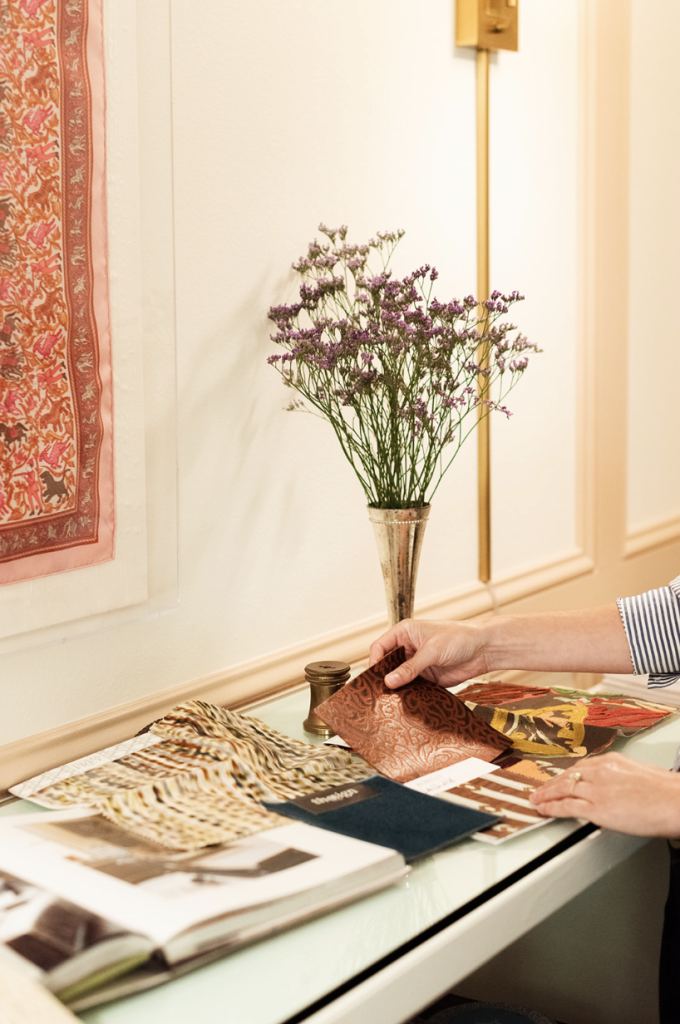
7 Mistakes Interior Designers Should Avoid When Sourcing Vendors (and How to Do It Right)
It’s 4:47 pm on a Friday. As you’re getting ready to shut down for the day, you check your inbox one last time and notice a brand-new email from your vendor.
You skim the email, your heart dropping as you read, “Sorry, we’ve run into some delivery issues and your custom items are now on hold until next month. Hope this doesn’t cause any issues.” With a photoshoot just two days away, your dream project has turned into an instant nightmare.
Unfortunately, this scenario is all too common for interior designers—especially those who are new to selecting showrooms, manufacturers, and artisans for their project materials. To be fair, most designers weren’t given a “Vendor 101” course on how to find reputable vendors, and many are simply winging it and hoping for the best.
If this is you, let me give you a bit of encouragement. There is a better, more strategic way to source vendors. I’ve helped hundreds of designers who have come to me with questions like:
- How can I be sure this vendor’s products are truly high-quality?
- Can I trust vendors to deliver on time and in great condition?
- What if the vendor I choose goes out of business tomorrow?
- How can I evaluate whether a vendor is reputable or not?
These questions are valid—and important. After all, your reputation as a designer is directly tied to the people and products you bring into a project. And choosing the wrong partner could mean delays, unexpected costs, or even worse: unhappy clients.
And that’s the last thing I want for you.
That’s why I’m sharing 7 mistakes I see interior designers make when sourcing vendors (including general contractors)—and, most importantly, how to choose quality vendors for your interior design projects.
🔑 1. They prioritize price over quality
It’s tempting to go with the lowest bid, especially when trying to stay within a client’s budget. But be careful. Often, what looks like a ‘deal’ ends up coming with a hidden price tag: poor craftsmanship, inconsistent finishes, or recurring issues that can lead to unhappy client call-backs.
My advice: Focus on vendors whose work reflects your design standards. Request samples, ask about warranties, and pay attention to how their pieces hold up over time. Remember: your reputation rides on the quality of what you deliver. And yes, it is possible to find high-quality items with lower price tags!
🔑 2. They overlook communication style
If a vendor takes days to reply during the inquiry stage, assume this is the norm for them. Often, poor communication seeps into project timelines, which can throw the entire project off schedule and drain you and your team’s energy.
My advice: Notice their communication early. How is their office set up? Is there a project manager? Do they provide clear answers? Do they give you updates before you have to ask? You want someone who’s proactive and organized. Someone who makes your life easier, not harder. Trust your gut on this one. If something feels off early on, there are plenty of other options out there.
🔑 3. They ignore transparency on process and pricing
Nothing derails a client relationship faster than surprise fees or unclear expectations. If a vendor can’t clearly outline their process or costs, consider it a clear warning sign.
My advice: Before committing, ask for detailed estimates, written scopes of work, and a clear breakdown of what’s included—and what isn’t.
For example, some vendors provide digital 3D models or tangible mock-ups of their products, making it easy for designers to create accurate renderings and save valuable time. But if a designer assumes this is included and later discovers it’s not, it can lead to unexpected delays and added stress.

interior design by suzanne rheinstein
🔑 4. They fail to confirm lead times
Extended lead times or surprise delays can throw your entire install schedule off track. Too often, designers expect products to be available right when they need them, only to discover wait times that extend for months.
My advice: Always ask about production and shipping windows upfront. Find out what’s in stock versus made-to-order, and whether rush options exist. Then—and this is crucial—build extra padding into your timeline no matter what they tell you. I’d much rather have a client pleasantly surprised by an early delivery than stressed about delays.
🔑 5. They don’t vet past work or references
Even if a vendor looks great on paper, don’t assume that they are who they say they are. A polished website doesn’t always guarantee they’ll deliver on promises.
My advice: A great way to vet a vendor is to talk to past clients and visit their production facility or current jobsites. Ask for references from other designers who have worked with them and call those designers for an insider, peer-to-peer scoop. Asking “What do you think they could have done better?” could be a keen insight into how you may work with them. If they have a good track record, they’re likely a partner you can trust.
🔑 6. They don’t consider the customer service experience
We’ve all had that bad customer experience at one time or another. In the design world, that kind of experience can do more than ruffle feathers—it can bring an entire project to a halt. That’s why it’s so important to know how a vendor treats their clients.
My advice: Be direct. Ask the vendor what happens when something goes wrong (e.g., the product arrives damaged or incorrect). How will customer service step in and make it right? How important is it to them to make the order right and repair your relationship? The best vendors see customer service as part of their craft and care just as much about protecting your reputation as you do.
🔑 7. They don’t thoroughly address standards with custom workrooms
Even though custom workrooms provide a handcrafted nature of custom work that results in a higher level of finish and durability, mishaps are still possible. Many designers don’t set clear expectations when it comes to their custom orders and, unfortunately, often find issues after the furniture has arrived at its final destination.
My advice: Before placing an order, tour the workroom with the owner or project manager. Point out aspects of furniture in their production line that you like—or don’t like. Voice (or email) your expectations on all parts of the order process and furniture standards. And before the piece is picked up, complete a final inspection (in-person is always best, but photos or FaceTime are other alternatives). You never want your client to be the first one to spot a flaw in the furniture when it arrives in their home. Extra tip: I include this language on my POs so the argument that “it’s already packed and loaded” doesn’t fly.
And speaking from recent experience, clarify upfront that you don’t want your design replicated as part of their collection, unless you have a licensing agreement with them. I’d recommend including these details in your PO because it protects both your project and your intellectual property.
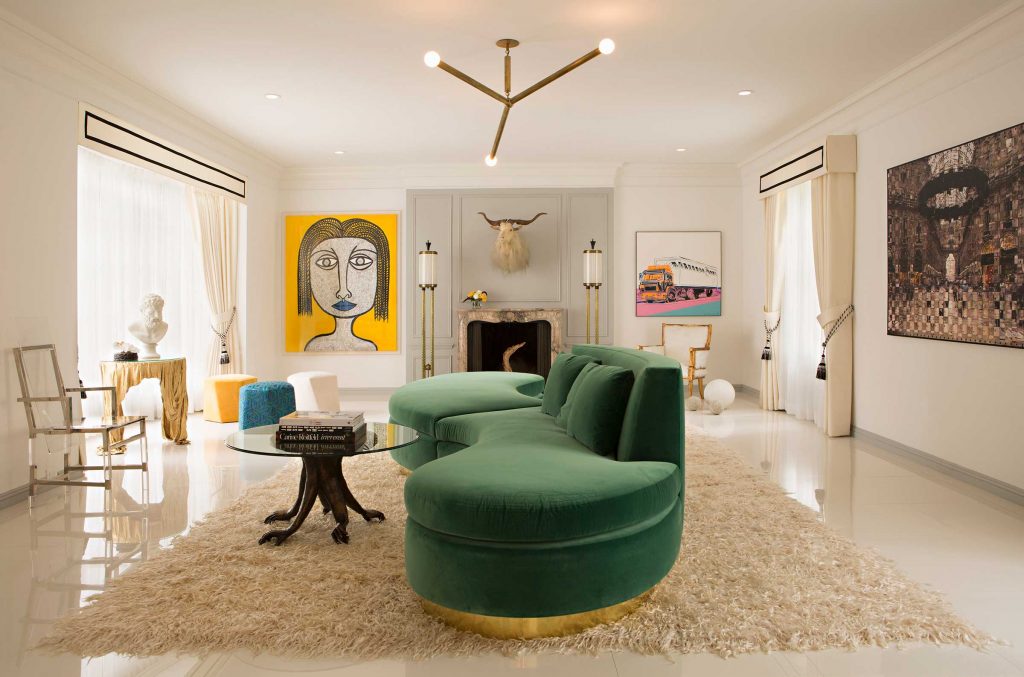
interior design by woodson & rummerfield
Where Interior Designers Can Find Trusted Vendors
At this point, you may be thinking, “Ok, I know what mistakes to avoid when sourcing vendors. But where do I even start my vendor search?”
Start with online research, but don’t stop there
It is possible to discover great vendors from a Google search, but it’s not an “end all, be all.” A beautiful website doesn’t tell you much about whether they’ll actually show up on time or deliver quality work. And while reviews can give you some insight, they’re just one piece of the puzzle.
Also, keep in mind: being listed on a well-known site doesn’t automatically make a vendor trustworthy. Always take the time to vet each option carefully.
Visit tradeshows and networking events
Some of the best vendor relationships I’ve built started at trade shows and networking events. There’s something about seeing their work in person and getting that face-to-face connection that you just can’t get from a website. Ask the vendors you meet who they are doing business with, then follow up with those designers.
Luckily, interior designers have their pick of some pretty amazing tradeshows, like HighPoint Market, Round Top, and Las Vegas Market. These events are absolute goldmines for discovering reliable partners. You can touch the materials, see the craftsmanship up close, and get a real feel for how they do business.
If you plan to visit HighPoint Market, check out our expert tips on how to make the most of your time there.
Ask for recommendations
Remember what our parents always said, “It never hurts to ask!” This is especially true when looking for reliable vendors. Other designers (or even vendors) genuinely want to help and will usually be more than willing to share a list of the people they trust.
Don’t be shy about reaching out. We’re all navigating similar challenges, and there’s something really beautiful about how willing our community is to lend a hand.
If you’re looking to connect with other designers, Circaphiles makes it easy. Inside the platform, members can enter message boards, chat back and forth with fellow designers, and swap vendor recommendations. You have all the information you need…right at your fingertips.
Access an exclusive interior design vendor directory list
One of the easiest ways interior designers can find reputable vendors is to get their hands on a pre-made, vetted list. Instead of starting from scratch and crossing your fingers, you can tap into resources that have already been tested and approved by successful design experts.
When creating Circaphiles, we knew how valuable this type of list would be for our members. So, with the help of well-established experts in the design field, we created an exclusive vendor directory that covers everything—from architectural materials and furnishings to those specialized trades that can be so hard to find, like upholstery workrooms, painters, and even lampshade makers.
The peace of mind alone is worth it, but the time you’ll save? That’s priceless.
Think about it, instead of spending your valuable time hunting down reliable partners and hoping they’ll work out, you could be focusing on what you do best—designing beautiful spaces. The time and stress you’ll save (not to mention avoiding those 4:47 pm Friday disaster emails) make it worth its weight in gold.
This exclusive vendor directory is a special treat that only our Key Suite members can get their hands on. Ask how you can get access today.